With UK summers becoming warmer and heatwaves more common, portable air conditioning units are rapidly growing in popularity.
For many homeowners, they provide a practical and affordable way to keep rooms cool without the cost of a permanent air conditioning installation.
However, portable air conditioners are often one of the highest-powered appliances used in the home and can place significant demand on your electrical system.
Before plugging one in and enjoying the cooler air, there are a few important things homeowners should know.
What Is a Portable Air Conditioning Unit?
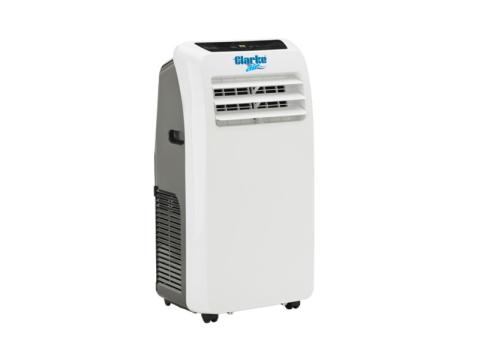
A portable air conditioning unit is a self-contained appliance designed to cool a room by removing heat and exhausting it outside through a hose.
Unlike fans, which simply move air around, portable air conditioners actively remove heat from the room, making them much more effective during hot weather.
They're commonly used in:
- Bedrooms
- Living rooms
- Home offices
- Conservatories
- Garden rooms
Do Portable Air Conditioners Use a Lot of Electricity?
Compared to many household appliances, yes.
Most portable air conditioning units consume between:
- 700W and 2,500W
depending on their size and cooling capacity.
For comparison:
- Typical fan: 20–100W
- Kettle: 2,000–3,000W
- Portable AC unit: 700–2,500W
While they don't use as much power as a kettle, they often run continuously for several hours, increasing overall electricity consumption.
Common Electrical Mistakes We See
During hot weather, many homeowners simply plug a portable air conditioner into the nearest available extension lead.
Unfortunately, this is where problems can begin.
Overloaded Extension Leads
A portable AC unit may already be using a large proportion of an extension lead's capacity.
Adding:
- Fans
- Chargers
- TVs
- Computers
can lead to overheating and potential electrical issues.
Whenever possible, plug the unit directly into a wall socket.
Daisy-Chaining Extension Leads
One extension lead plugged into another is something electricians see surprisingly often.
This can:
- Increase resistance
- Cause overheating
- Create fire risks
It should always be avoided.
Damaged Cables
Portable units are often moved between rooms.
This can result in:
- Trapped cables
- Damaged plugs
- Crushed flexes
Always inspect cables before use.
Why Does My Fuse Board Trip?
A common question during summer is:
"Why does my fuse board trip when I use the air conditioner?"
Potential causes include:
Circuit Overloading
Too many appliances on the same circuit can exceed its capacity.
Faulty Appliance
The air conditioning unit itself may have developed a fault.
Existing Electrical Issues
Sometimes the portable AC simply exposes a problem that already existed within the installation.
If tripping occurs repeatedly, it should be investigated rather than ignored.
Is Your Fuse Board Suitable?
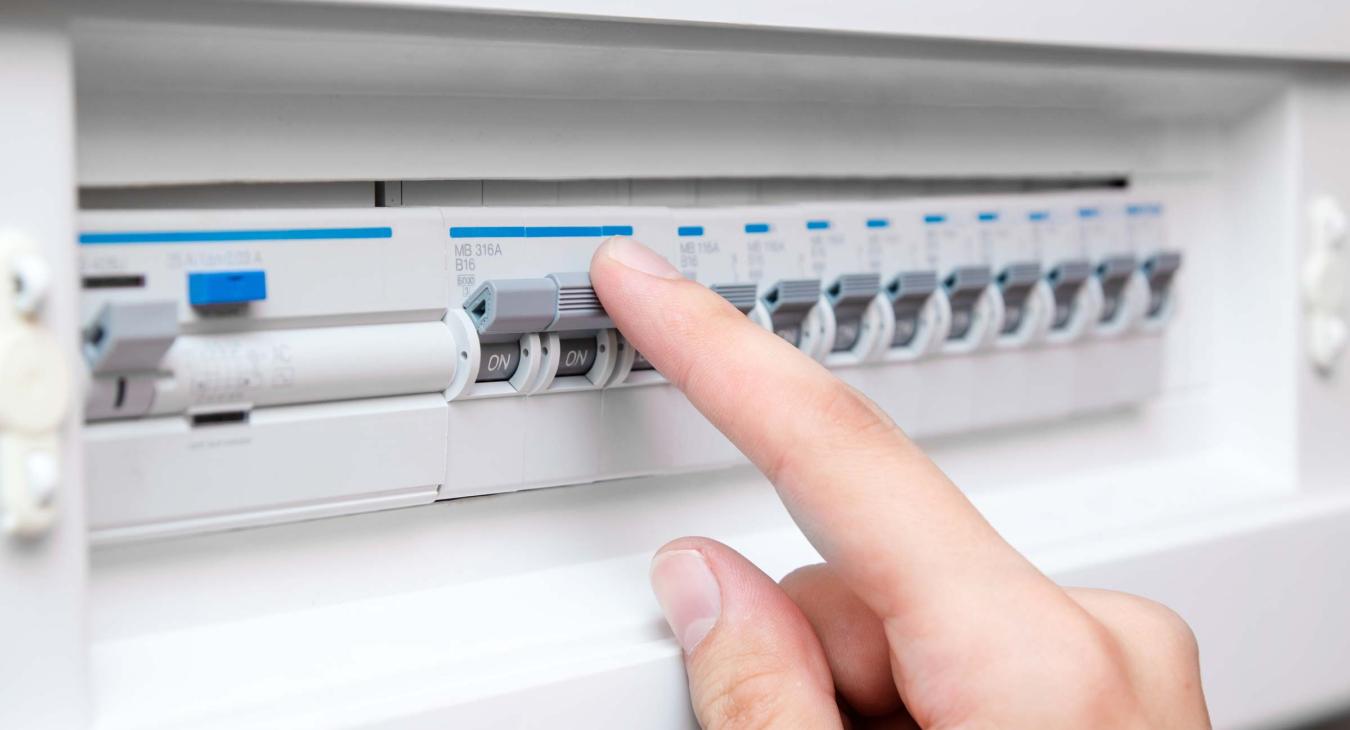
Modern consumer units provide important protection through:
- RCDs
- RCBOs
- Circuit breakers
These devices are designed to disconnect power when faults occur, helping protect people and property.
If your consumer unit is particularly old, it may be worth considering an electrical inspection to assess its condition.
Portable Air Conditioners and Older Properties
Older properties often have fewer sockets and may rely more heavily on extension leads.
This can increase the likelihood of:
- Overloading
- Poor connections
- Overheating
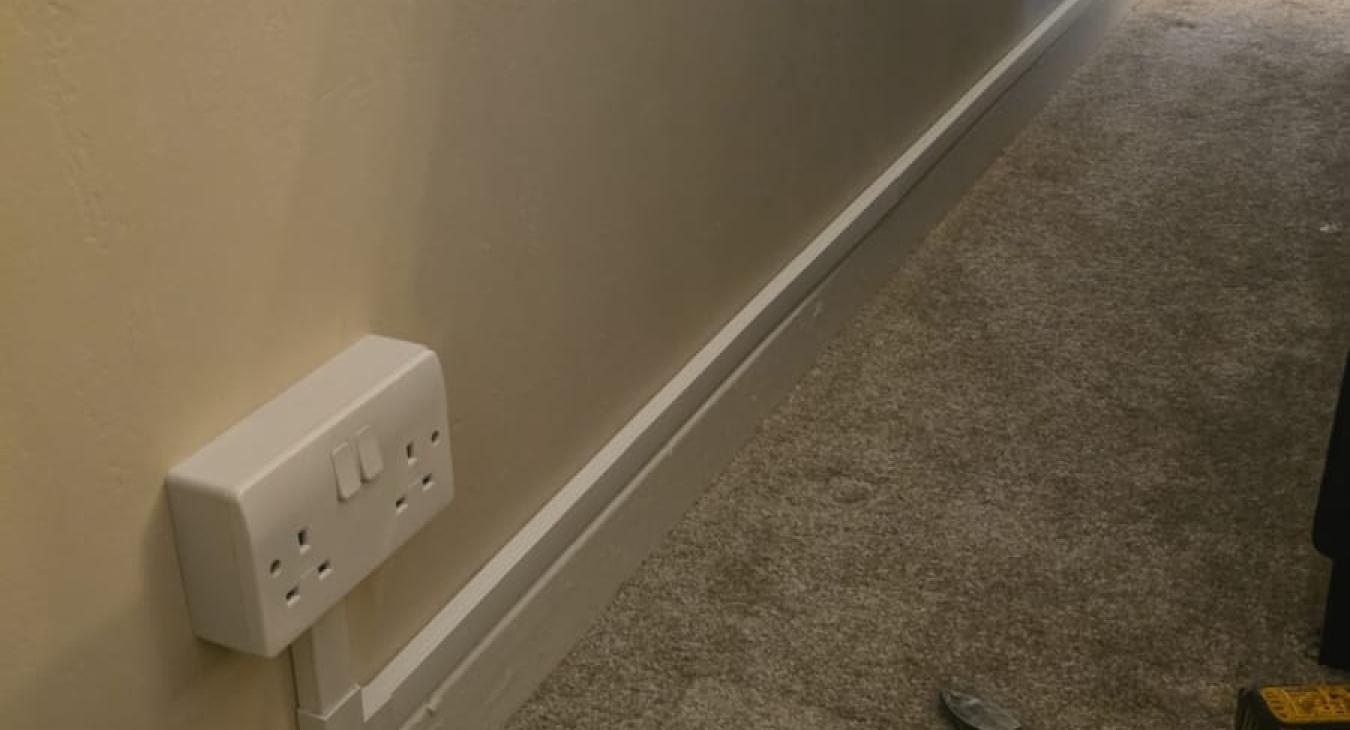
We regularly recommend that homeowners consider additional sockets in areas where portable cooling equipment is likely to be used.
Running Costs
One of the most common questions we hear is:
"How much does a portable air conditioner cost to run?"
The answer depends on:
- Unit size
- Energy tariff
- Usage duration
As a rough guide, a typical portable unit may cost anywhere from a few pence to over 50p per hour to operate.
Checking the manufacturer's power rating will provide a more accurate indication.
Safety Tips for Homeowners
If you're using a portable air conditioning unit this summer:
✔️ Plug directly into a wall socket where possible
✔️ Avoid overloading extension leads
✔️ Keep vents clear
✔️ Inspect cables regularly
✔️ Follow manufacturer instructions
✔️ Don't ignore tripping circuits
A little care can help avoid electrical problems and keep your home safe.
Other Ways to Keep Cool
Portable air conditioning isn't the only option.
Many homeowners also benefit from:
- Ceiling fans
- Improved ventilation
- Window shading
- Insulated blinds
- Solar control measures
Sometimes combining several methods can reduce reliance on high-powered cooling equipment.
Final Thoughts
Portable air conditioning units can be an excellent way to stay comfortable during hot weather, but they should be used safely and responsibly.
Understanding their electrical demands and avoiding common mistakes can help prevent overheating, nuisance tripping, and potential safety issues.
With a little planning, you can stay cool all summer while keeping your home's electrical installation safe.
Helping Homeowners Across the West Midlands
At Allen's Ohms, we help homeowners across the West Midlands with:
- Additional sockets
- Consumer unit upgrades
- EICRs
- Fault finding
- Electrical repairs
- General electrical installations
If you're experiencing electrical issues during the warmer months or would like advice on safely powering additional appliances, we're always happy to help. ⚡❄️☀️