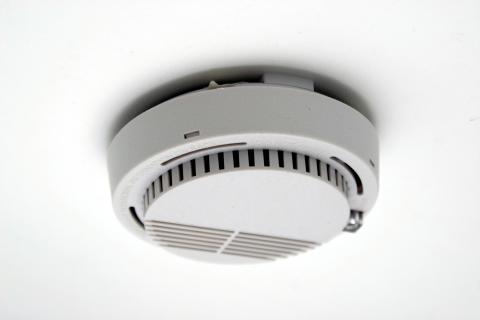
Smoke alarms provide an early warning of fire, giving occupants valuable time to escape and helping to reduce the risk of injury, loss of life, and property damage.
At Allen's Ohms, we regularly come across properties where smoke alarms are missing, incorrectly installed, out of date, or simply not working. That's why it's important to understand how smoke alarms fit into your property's overall electrical safety.
Why Are Smoke Alarms So Important?
Electrical faults remain one of the leading causes of house fires in the UK.
Common causes include:
- Loose electrical connections
- Damaged wiring
- Overloaded sockets
- Faulty appliances
- Aging electrical installations
Many electrical fires begin hidden behind walls, under floors, or inside accessories, meaning occupants may not notice a problem until smoke begins to spread.
A properly installed smoke alarm can provide an early warning, helping protect both lives and property.
What Types of Smoke Alarms Are Available?
Battery-Powered Smoke Alarms
These are commonly found in older properties and are often quick to install.
However, they rely entirely on battery condition and are more likely to be forgotten or neglected.
Mains-Powered Smoke Alarms
These are connected directly to the property's electrical system and include a backup battery.
Benefits include:
- Greater reliability
- Reduced risk of dead batteries
- Continuous protection
- Compliance with many modern standards
Interlinked Smoke Alarms
Interlinked alarms communicate with one another.
If one alarm detects smoke, all alarms throughout the property activate simultaneously.
This can be particularly important in:
- Larger homes
- Multi-storey properties
- Rental properties
Where Should Smoke Alarms Be Installed?
Current recommendations generally include:
✔️ Hallways
✔️ Landings
✔️ Escape routes
✔️ Living rooms (where appropriate)
Heat alarms are often recommended in kitchens, where normal cooking activity could trigger a standard smoke alarm.
Every property is different, and alarm placement should be carefully considered to provide the best protection.
How Often Should Smoke Alarms Be Tested?
Smoke alarms should be tested regularly.
A simple press of the test button once a month can help ensure they are functioning correctly.
You should also:
- Replace backup batteries when required
- Keep alarms free from dust
- Replace alarms when they reach the manufacturer's recommended lifespan
Many alarms have a lifespan of around 10 years.
Smoke Alarms and Rental Properties
For landlords, smoke alarms are particularly important.
Landlords are required to ensure smoke alarms are installed and working at the start of a tenancy.
Regular electrical inspections and EICRs can help identify issues with mains-powered smoke alarm systems and ensure installations remain safe.
Common Problems We See
Some of the most common issues we encounter include:
- Expired alarms still in service
- Missing smoke alarms
- Removed batteries
- Faulty interlinking
- Incorrect alarm locations
- Alarms disconnected during decorating work
These issues can significantly reduce the protection available during an emergency.
Smoke Alarms Are Only Part of the Picture
While smoke alarms are essential, they should not be seen as a substitute for safe electrics.
Regular electrical inspections, EICRs, and prompt attention to faults can help reduce the likelihood of a fire occurring in the first place.
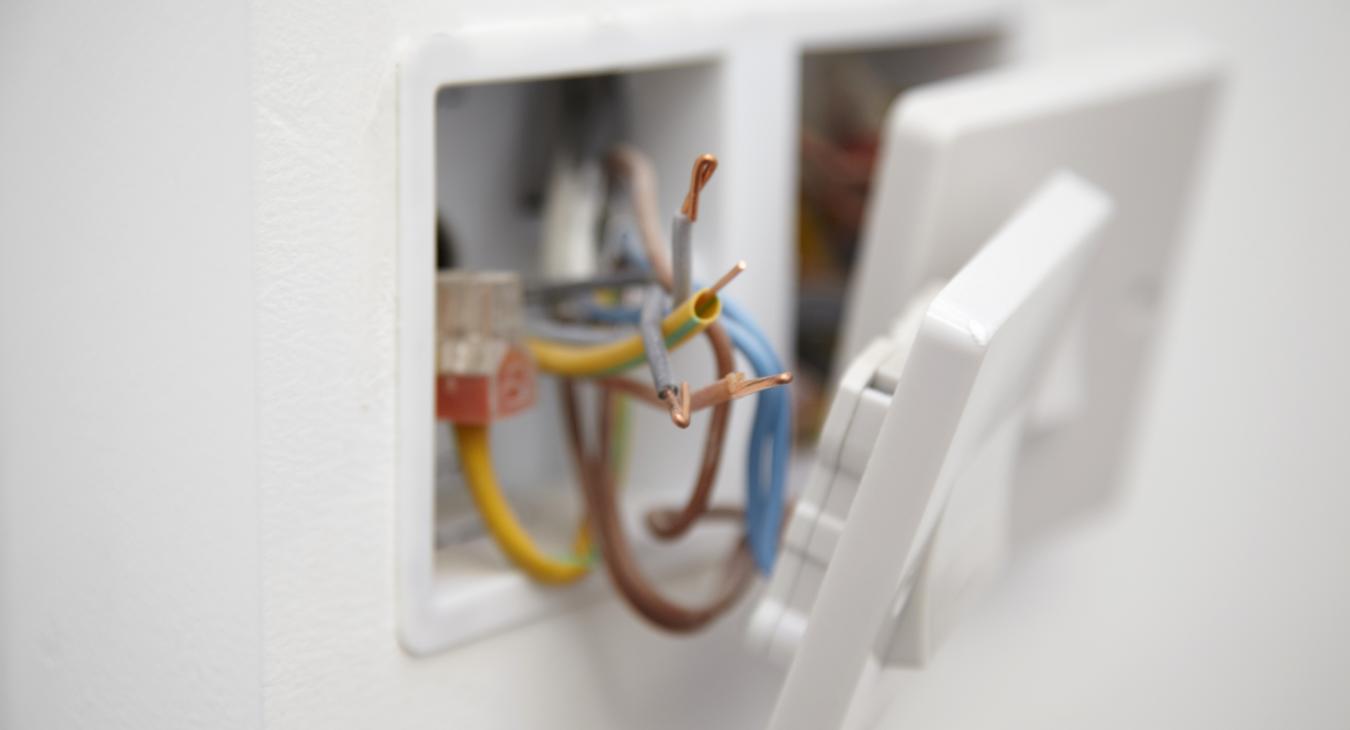
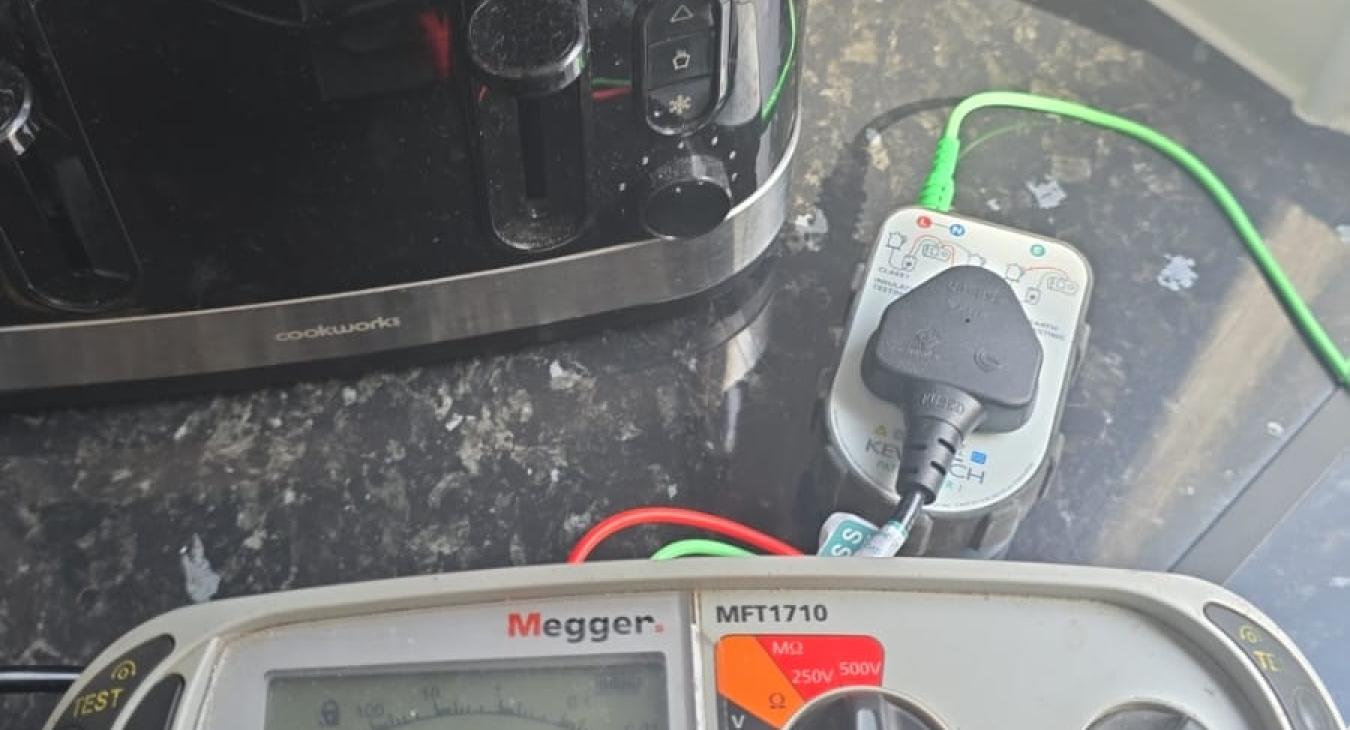
Recently, while carrying out fault finding following an EICR, we discovered a loose connection behind a socket that had started to burn. The issue wasn't visible during normal use but had the potential to cause a fire if left unresolved.
Situations like this highlight why both electrical safety checks and working smoke alarms are so important.
Protecting Homes Across the West Midlands
At Allen's Ohms, we help homeowners and landlords across the West Midlands with:
- Smoke alarm installations
- Interlinked alarm systems
- Electrical safety checks
- EICRs
- Consumer unit upgrades
- Fault finding and repairs
Keeping your property safe starts with ensuring both your electrical installation and your fire detection systems are working as they should.
If you're unsure about the condition of your smoke alarms or your property's electrics, we're always happy to offer advice and help where we can.