One of the most important responsibilities for landlords is arranging regular Electrical Installation Condition Reports (EICRs). These inspections help identify potential electrical hazards before they become serious problems and ensure rental properties remain safe for tenants.
In this guide, we'll explain what an EICR is, why it's important, and what landlords need to know.
What Is an EICR?
An Electrical Installation Condition Report (EICR) is a detailed inspection and test of a property's fixed electrical installation.
The purpose of the inspection is to assess the condition of:
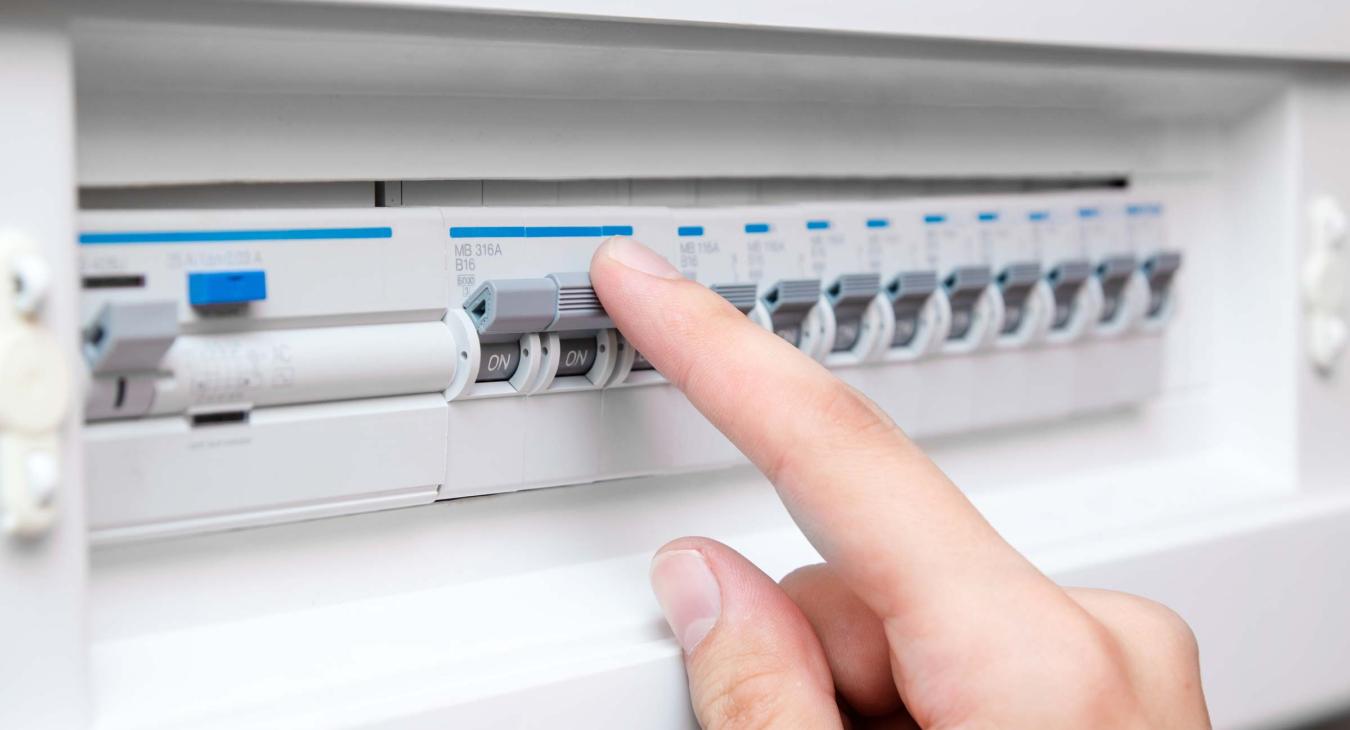
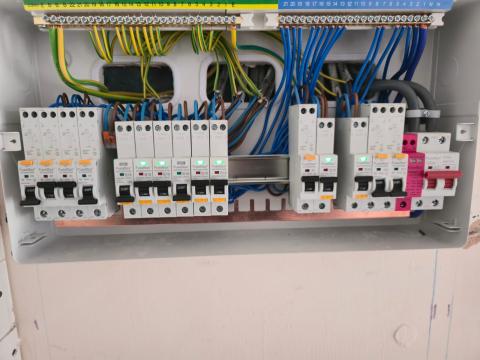
- Consumer units (fuse boards)
- Wiring systems
- Sockets and switches
- Lighting circuits
- Earthing and bonding arrangements
- Electrical safety devices
The inspection helps identify any damage, deterioration, defects, or non-compliance with current regulations.
Is an EICR a Legal Requirement for Landlords?
Yes.
Under current legislation in England, landlords must ensure that the electrical installation in their rental properties is inspected and tested by a qualified person at least every five years.
Landlords must:
✔️ Obtain an EICR every five years (or sooner if recommended)
✔️ Provide a copy to existing tenants within 28 days
✔️ Provide a copy to new tenants before they move in
✔️ Supply a copy to the local authority if requested
Failure to comply can result in enforcement action and significant financial penalties.
Why Are EICRs Important?
Electrical faults are not always obvious.
A property can appear perfectly normal on the surface while hidden issues exist within the installation.
Some common problems identified during EICRs include:
- Loose connections
- Lack of RCD protection
- Damaged accessories
- Incorrect wiring
- Deteriorated cables
- Poor earthing arrangements
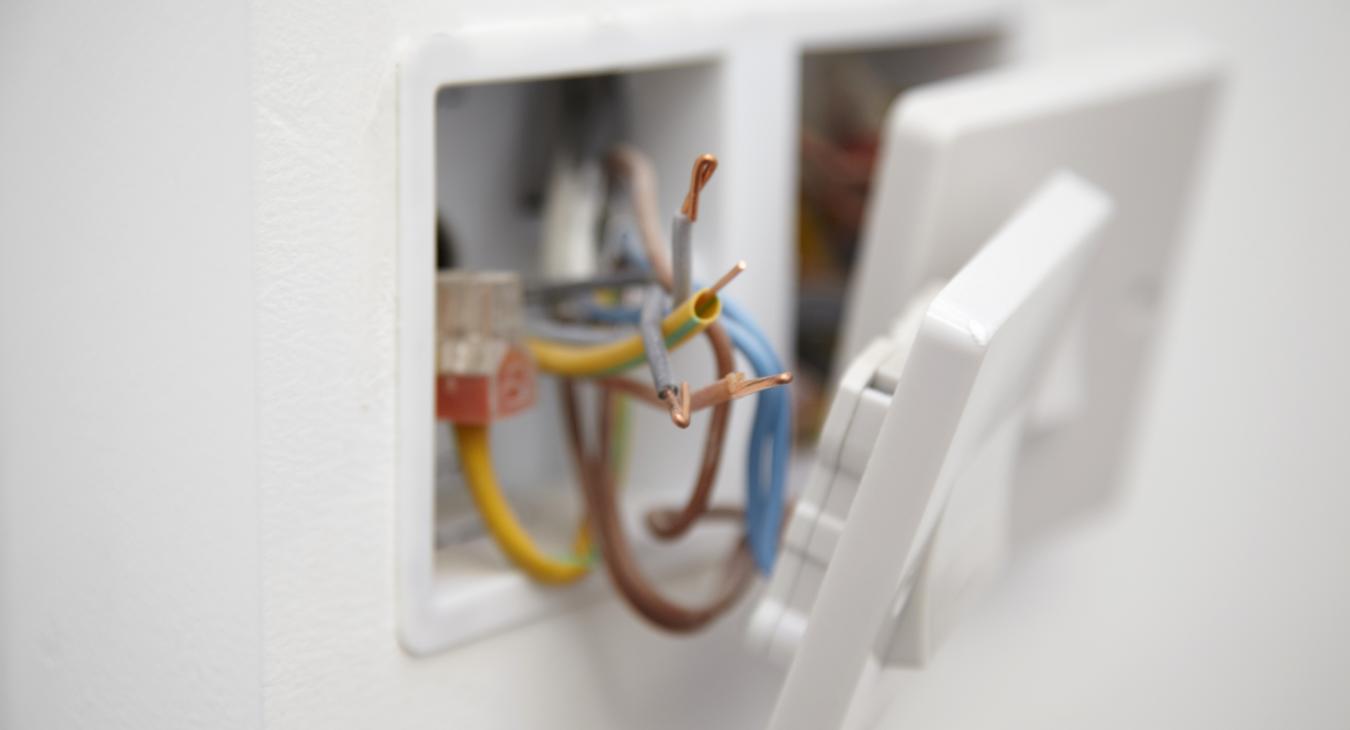
Recently, while carrying out remedial work following an EICR, we discovered a loose connection behind a socket that had started to burn. The issue wasn't visible during normal use but had the potential to cause a fire if left unresolved.
This is exactly why regular electrical inspections are so important.
What Happens During an EICR?
During the inspection, the electrician will:
Carry Out a Visual Inspection
This includes checking:
- Consumer unit condition
- Socket outlets
- Switches
- Visible wiring
- Earthing and bonding
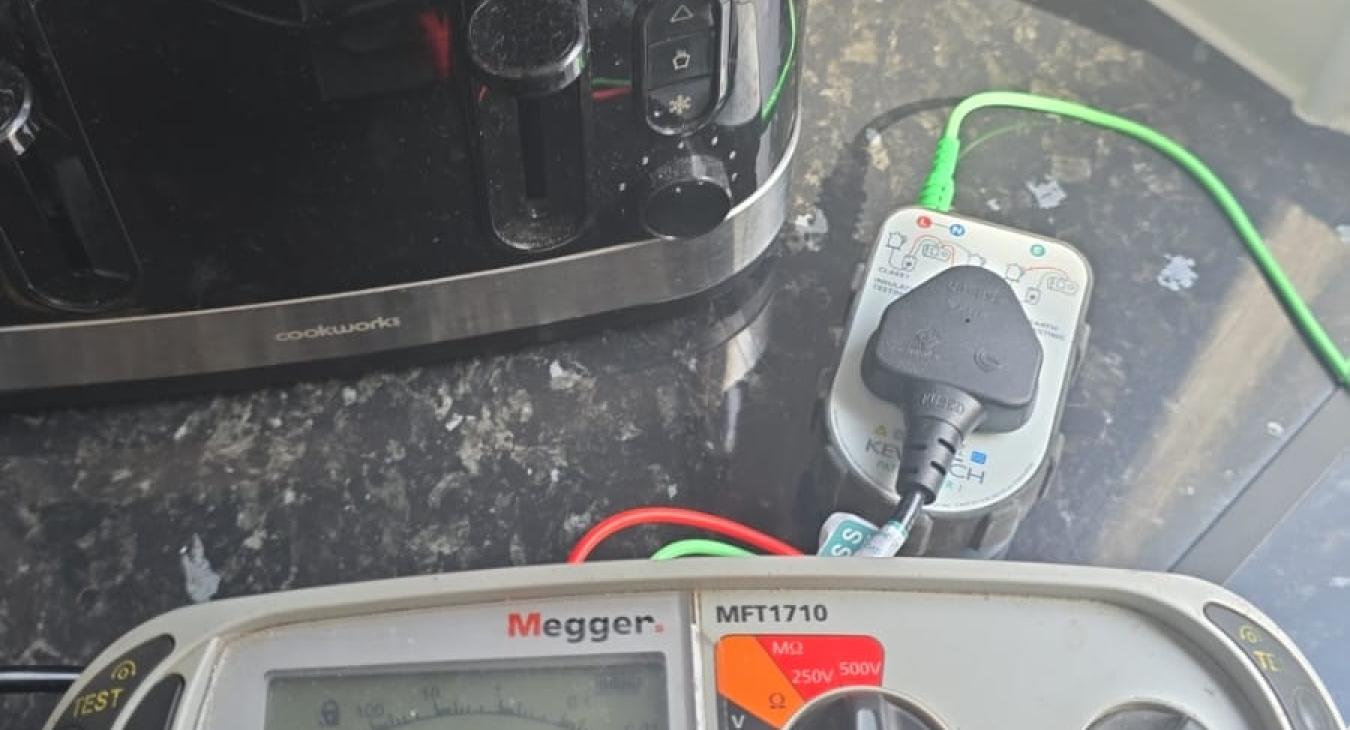
Perform Electrical Testing
Specialist testing equipment is used to assess:
- Circuit integrity
- Insulation resistance
- Earth fault protection
- Polarity
- RCD operation
The electrician will then compile a report detailing any observations and recommendations.
Understanding EICR Codes
If issues are found, they will be categorised using observation codes.
C1 – Danger Present
Immediate danger exists.
Action must be taken immediately.
C2 – Potentially Dangerous
Urgent remedial work is required.
FI – Further Investigation Required
Additional investigation is needed before safety can be confirmed.
C3 – Improvement Recommended
Not dangerous but could be improved to meet current standards.
What Happens If My Property Fails?
A property will receive an unsatisfactory result if C1, C2, or FI observations are identified.
This does not necessarily mean the installation is unsafe to occupy, but remedial work will be required to address the identified issues.
Once the work is completed, documentation should be retained as evidence that the installation has been brought up to a satisfactory standard.
How Long Does an EICR Take?
The time required depends on:
- Property size
- Number of circuits
- Accessibility of equipment
As a general guide:
- 1-bedroom flat: approximately 2–3 hours
- 2–3 bedroom property: approximately 3–4 hours
- Larger properties: longer depending on complexity
How Often Should Landlords Arrange an EICR?
Most rental properties require an EICR every 5 years.
However, a shorter interval may be recommended depending on:
- Property age
- Installation condition
- Previous observations
- Type of occupancy
Always follow the recommendation stated on the previous report.
Common Questions from Landlords
Can I rent out a property without an EICR?
No. Landlords are required to have a valid EICR demonstrating the installation has been inspected and tested.
Do I need an EICR if the property is newly rewired?
New installations are normally provided with certification, but future periodic inspections will still be required.
What if remedial work is needed?
Any C1, C2, or FI observations should be addressed promptly and records retained to demonstrate compliance.
Keeping Tenants Safe
An EICR isn't just about legal compliance—it's about protecting your tenants and your property.
Electrical faults can develop over time and often remain hidden until a serious issue occurs. Regular inspections provide reassurance that the installation remains safe and help identify problems before they become costly or dangerous.
EICRs for Landlords Across the West Midlands
At Allen's Ohms, we carry out EICRs for landlords across the West Midlands, helping ensure rental properties remain safe, compliant, and properly documented.
Whether you manage a single property or a larger portfolio, we're always happy to help with inspections, reports, and any remedial work that may be required.
If you'd like advice regarding an upcoming EICR or landlord electrical responsibilities, feel free to get in touch. ⚡🏠