
What Causes Flickering Lights?
Flickering lights are one of the most common electrical issues homeowners experience. In some cases, the cause is simple and harmless. In others, it may indicate a more serious electrical fault that requires professional attention.
Understanding what causes flickering lights can help you determine whether it’s a quick fix or something that shouldn’t be ignored.
1. Loose Bulb or Faulty Light Fitting
The most common cause of flickering lights is a loose bulb.
If a bulb isn’t screwed in tightly, the electrical contact may be inconsistent, causing it to flicker.
It’s worth checking:
The bulb is fully secured
The fitting isn’t damaged
The bulb itself isn’t faulty
If replacing the bulb resolves the issue, there’s usually nothing further to worry about.
2. Failing LED or Incompatible Dimmer Switch
LED lights can flicker if:
The bulb is low quality
It’s not compatible with your dimmer switch
The dimmer is not LED-rated
Older dimmer switches are often designed for halogen bulbs and can cause modern LEDs to flicker.
Upgrading to an LED-compatible dimmer usually resolves this issue.
3. Voltage Fluctuations
You may notice lights dim or flicker briefly when:
The washing machine starts
The kettle is switched on
An electric shower runs
This can happen when high-demand appliances draw a large current.
Occasional minor flickering may be normal, but frequent dimming across multiple lights can indicate:
Circuit overload
Loose connections
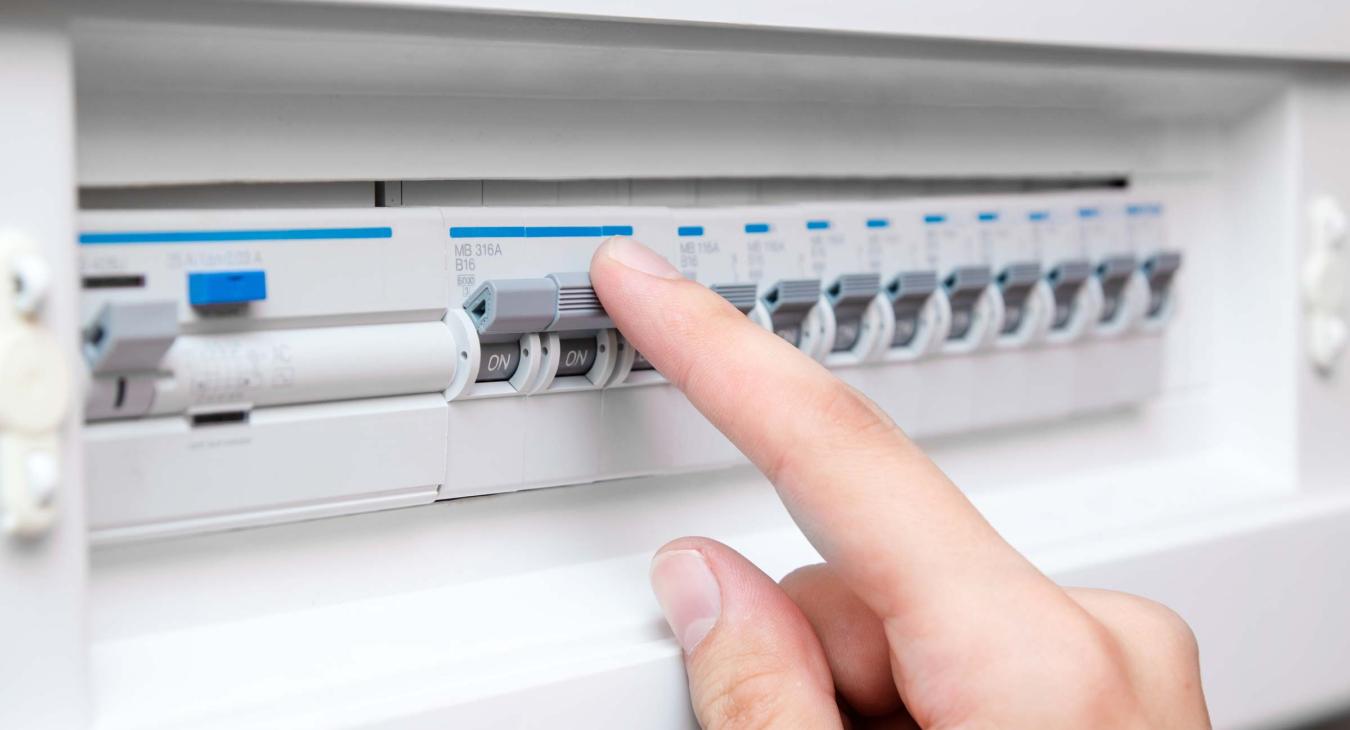
Issues within the consumer unit
4. Loose Electrical Connections
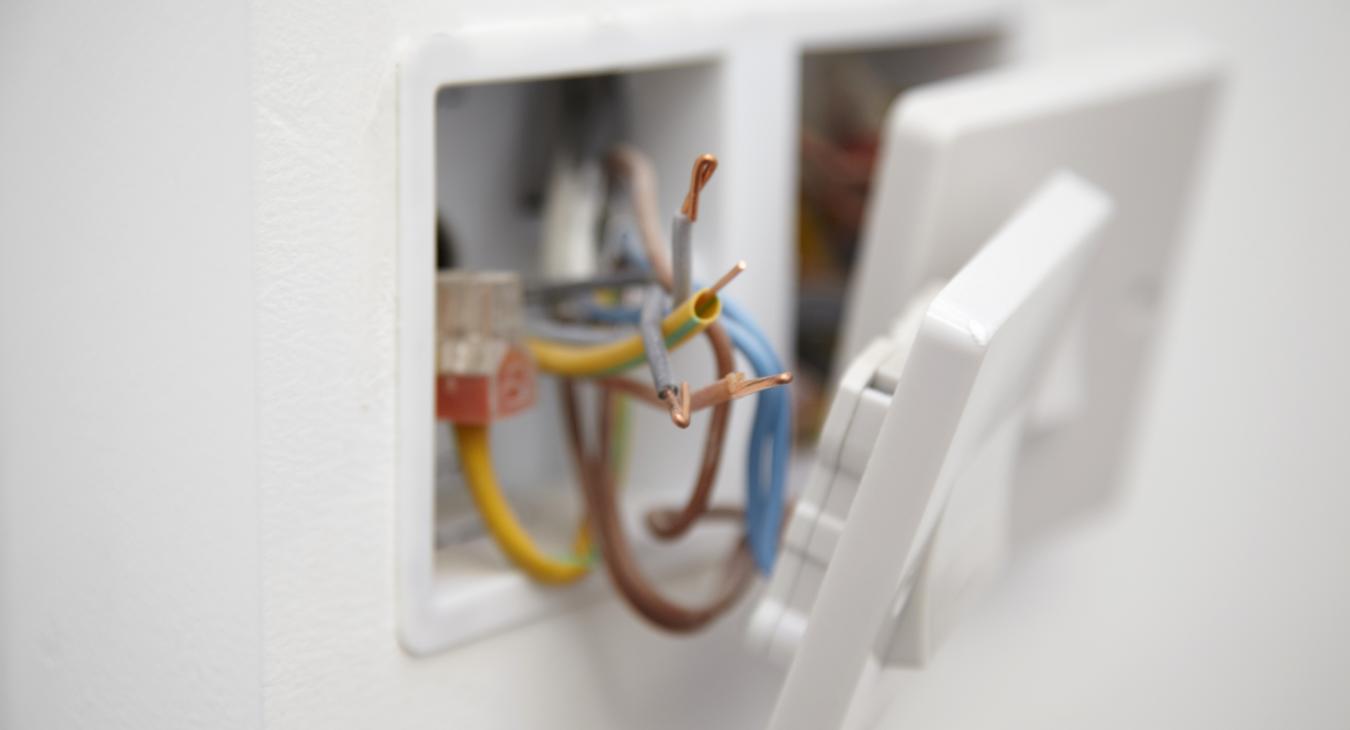
Loose wiring connections are more serious.
Over time, connections inside:
Light fittings
Switches
Junction boxes
Consumer units
Can become loose due to heat and expansion.
Loose connections generate heat and can increase fire risk. If flickering is persistent or accompanied by buzzing sounds, it should be inspected by a qualified electrician.
5. Overloaded Circuits
Older homes were not designed for today’s electrical demand.
If your property has:
Multiple extension leads
High-powered appliances
An outdated fuse board
Your circuits may be struggling to cope.
Overloaded circuits can cause lights to flicker and may require additional circuits or a consumer unit upgrade.
6. Ageing or Damaged Wiring
In properties over 25–30 years old, wiring insulation may begin to deteriorate.
Warning signs include:
Frequent flickering
Burning smells
Discoloured sockets
Tripping circuits
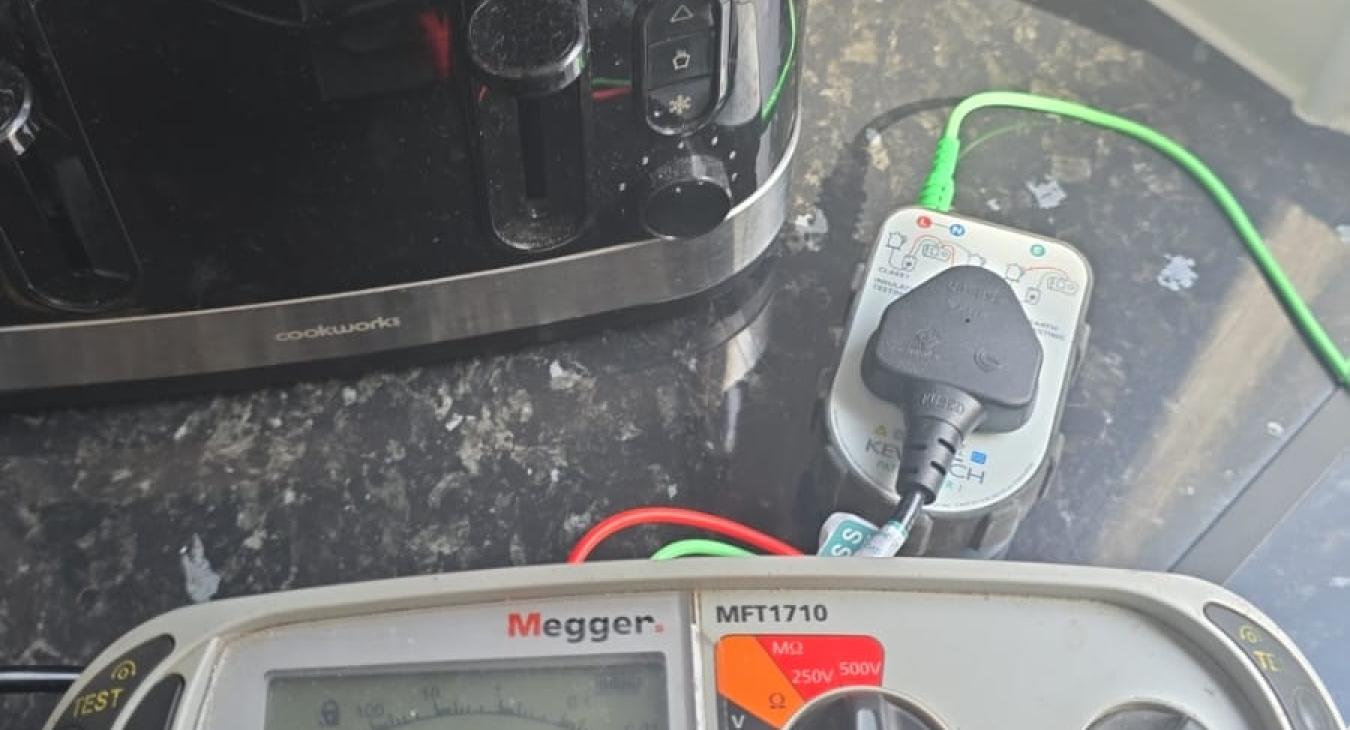
If your home has not had an electrical inspection in many years, it may be worth arranging an electrical safety check.
When Should You Be Concerned?
You should seek professional advice if:
Multiple lights flicker regularly
Lights flicker throughout the house
Flickering is accompanied by buzzing
You smell burning
Your fuse board trips frequently
Electrical faults rarely fix themselves and may worsen over time.
Can Flickering Lights Be Dangerous?
Sometimes flickering lights are harmless. However, persistent flickering caused by loose wiring or overloaded circuits can present fire risks if ignored.
Electrical issues are often easier and less costly to resolve when identified early.
Should You Get an Electrical Safety Check?
If your property:
Is over 25 years old
Has an outdated consumer unit
Experiences regular electrical issues
Has never had a full inspection
A professional electrical safety check can provide reassurance and identify any hidden risks.
Final Thoughts
Flickering lights can range from minor bulb issues to more serious electrical faults.
If the cause isn’t immediately obvious, it’s always better to check early rather than ignore the warning signs.
If you’re unsure about your home’s electrics, seeking professional advice ensures your property remains safe and compliant.