What Electrical Work Can Homeowners Legally Do?
In the UK, homeowners are legally allowed to carry out certain minor electrical tasks, such as:
Replacing a light fitting (like-for-like)
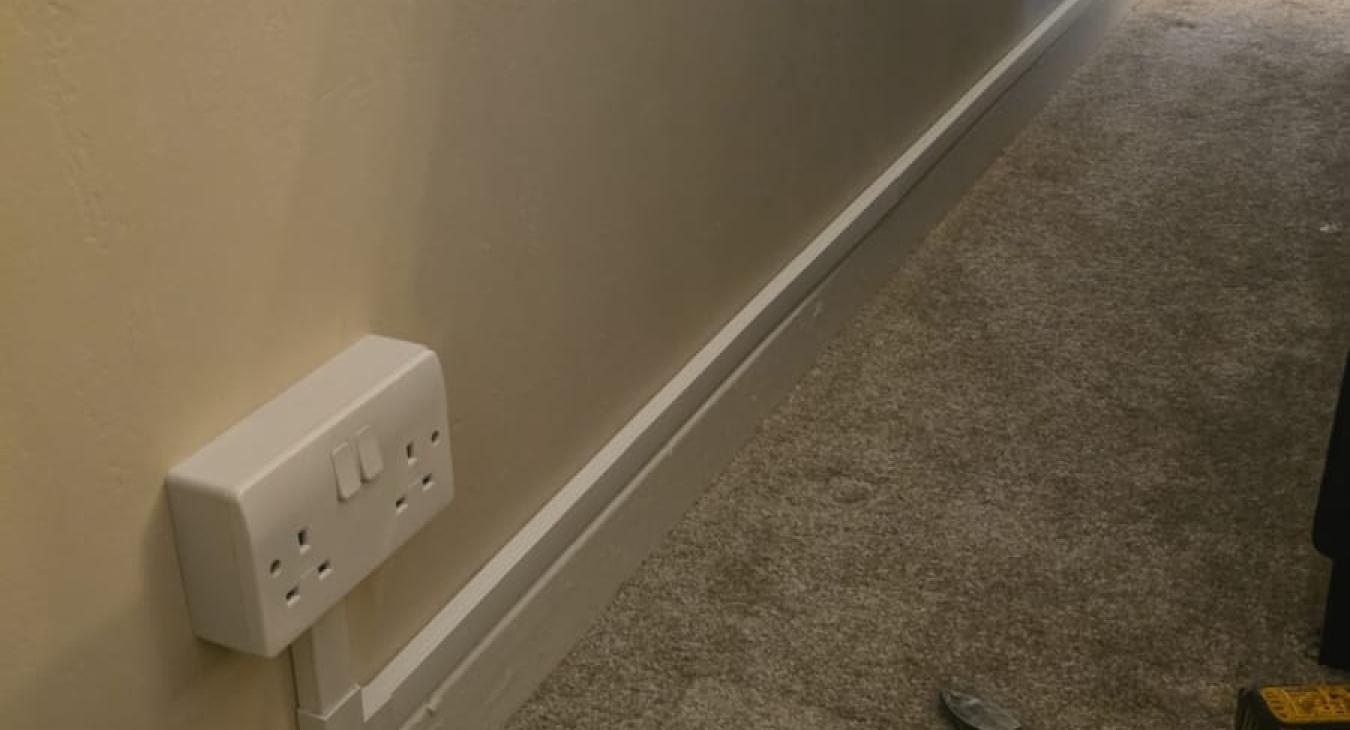
Replacing a socket faceplate
Replacing a light switch
Changing a light bulb
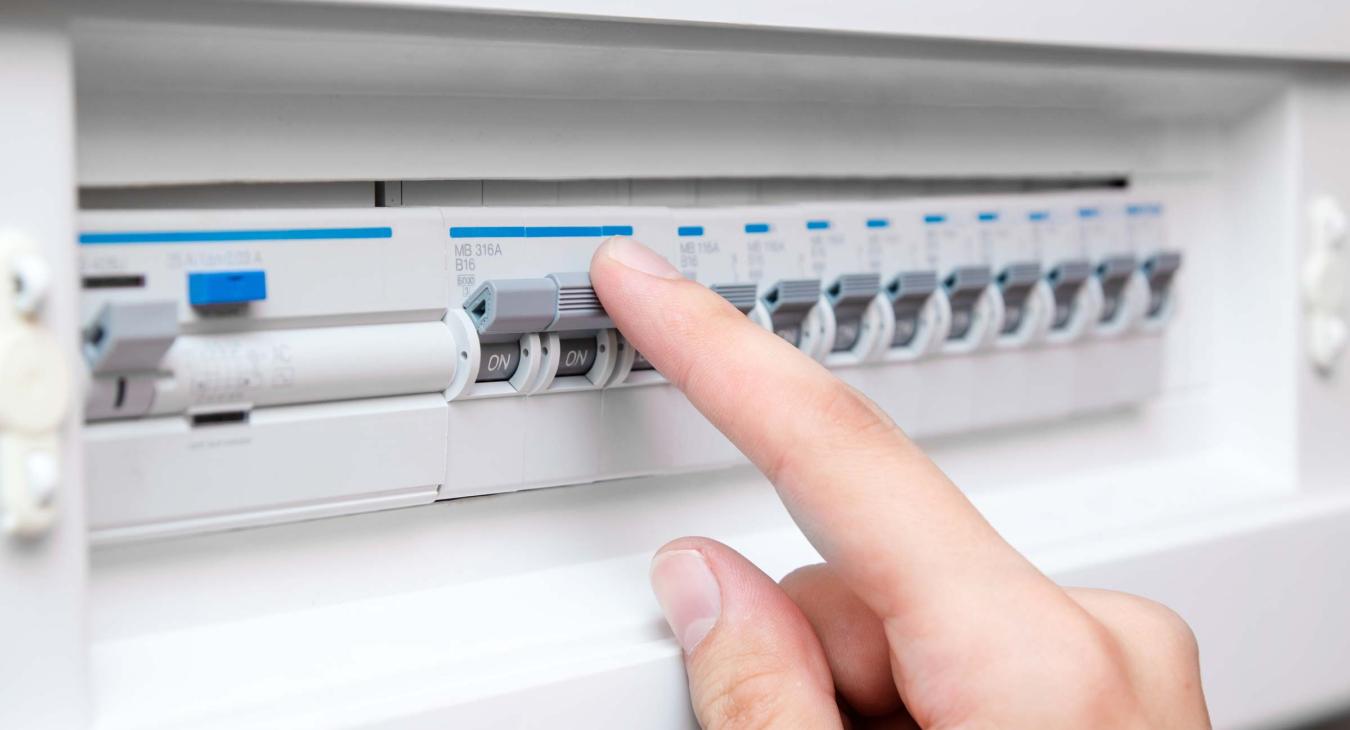
Resetting a circuit breaker
However, even simple jobs must still comply with electrical safety regulations.
If you are unsure, it’s always safer to seek advice before proceeding.
Electrical Work That Should Not Be DIY
Certain electrical jobs are classified as notifiable work under UK Building Regulations and must be carried out by a qualified electrician.
These include:
Installing a new circuit
Consumer unit (fuse board) replacement
Rewiring a property
Electrical work in bathrooms
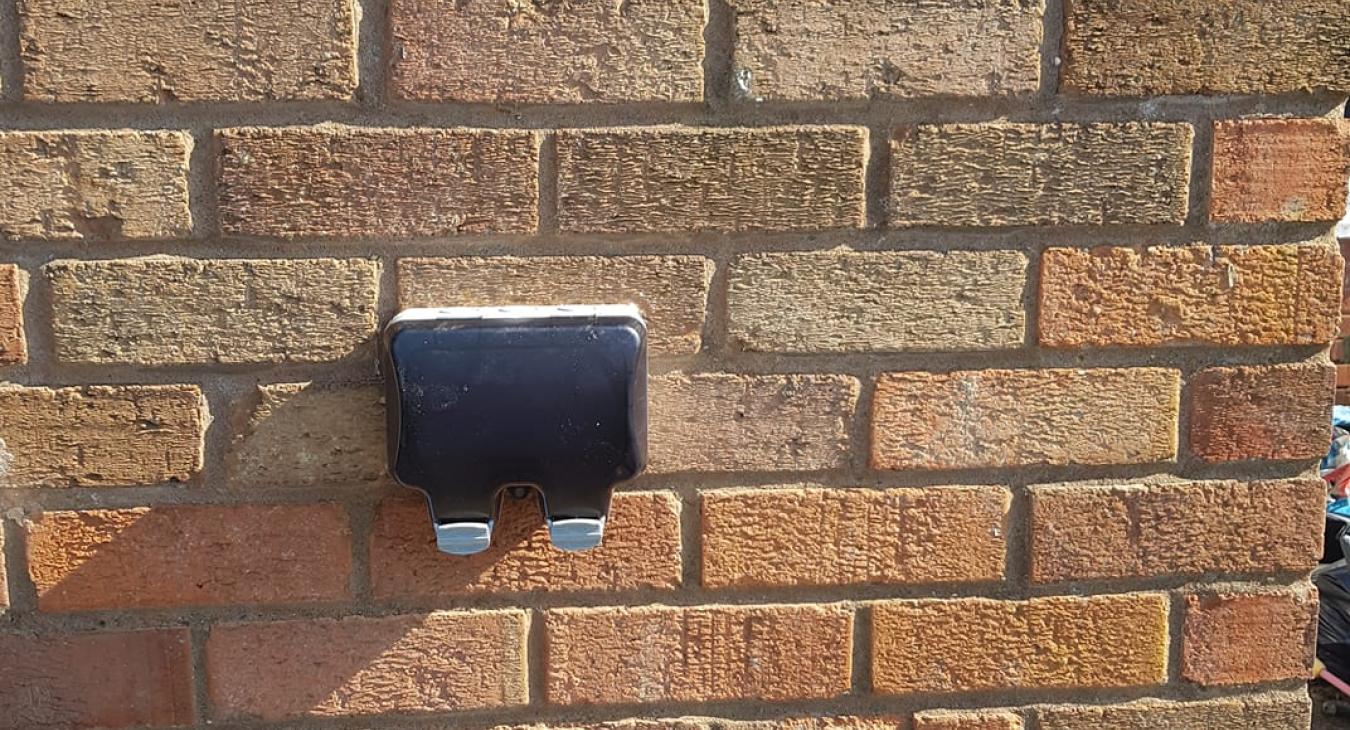
Outdoor electrical installations
Adding power to sheds or garden rooms
Installing EV chargers
Hot tub electrical supply
These jobs require certification and compliance with current safety standards.
What Are the Risks of DIY Electrical Work?
Incorrect electrical work can result in:
Electric shock
Electrical fires
Overloaded circuits
Damaged appliances
Insurance invalidation
Failed property surveys
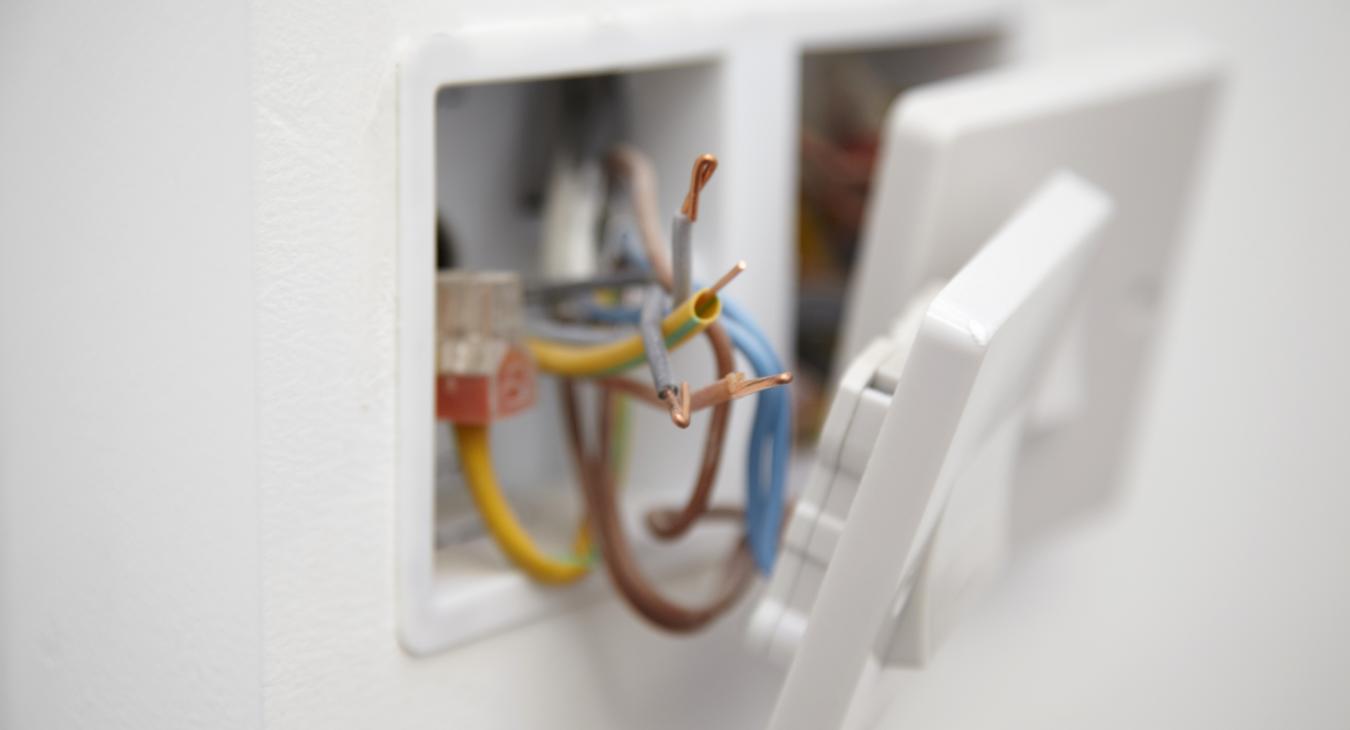
One of the biggest risks is hidden faults. Poor connections behind walls may appear to work initially but can overheat over time.
Electrical faults rarely fix themselves — they usually get worse.
Common DIY Mistakes Electricians See
Professionals frequently encounter:
Incorrect cable sizes
Missing RCD protection
Loose terminations
Poor earthing
Overloaded sockets
DIY alterations that do not meet regulations
Often these issues aren’t immediately obvious but present long-term safety risks.
Can DIY Electrical Work Affect Insurance?
Yes.
If faulty DIY electrics cause damage, insurers may investigate whether the installation complied with regulations.
Uncertified electrical work can complicate claims and may cause issues when selling a property.
When Should You Call a Qualified Electrician?
You should seek professional advice if:
The work involves the consumer unit
You are adding new circuits
The job involves outdoor electrics
You feel unsure at any stage
The property is older
The work requires certification
Even for smaller jobs, if there is any doubt, professional advice provides peace of mind.
Is DIY Electrical Work Ever Worth the Risk?
While minor replacements can be straightforward, more complex electrical work carries risks that often outweigh the potential savings.
Professional installation ensures:
Compliance with current regulations
Correct circuit protection
Safe earthing
Certification where required
Long-term reliability
Electrical safety should always be prioritised over convenience.
Final Thoughts
DIY electrical work may seem cost-effective in the short term, but incorrect installation can create serious safety risks.
If you are unsure whether a job falls within safe DIY limits, seeking advice from a qualified electrician is always the safest option.
Electrical systems are designed to protect your home — but only when installed correctly.