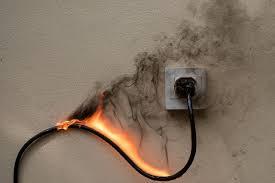
Electrical fires are one of the most preventable causes of property damage in UK homes. In many cases, the warning signs appear long before a serious incident occurs — but they are often overlooked.
Understanding the most common electrical fire hazards in UK homes can help homeowners identify risks early and take action before problems escalate.
1. Outdated Fuse Boards
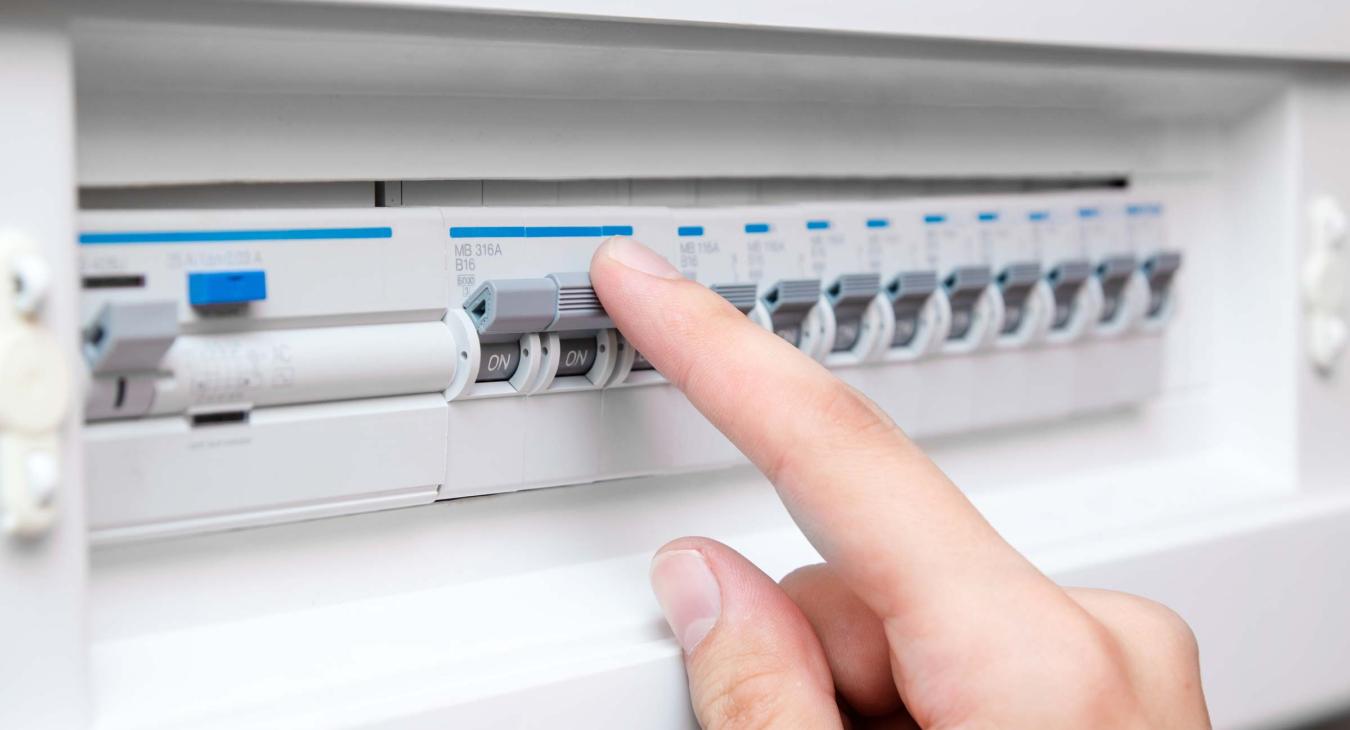
Older fuse boards (consumer units) often lack modern safety features such as RCD protection.
Without adequate fault protection, small electrical issues can develop into overheating or fire hazards.
Signs your fuse board may be outdated:
Rewireable fuses
Frequent tripping
No test button
Visible ageing or damage
Modern consumer units are designed to disconnect power quickly in the event of a fault, significantly reducing fire risk.
2. Overloaded Circuits
Many older UK homes were not designed to handle modern electrical demand.
Today’s households commonly run:
High-powered kitchen appliances
Electric showers
Gaming systems
Home offices
EV chargers
Multiple extension leads
Overloading circuits can cause overheating behind walls, often without obvious signs.
3. Damaged or Ageing Wiring
Electrical wiring deteriorates over time, particularly in properties over 25–30 years old.
Warning signs include:
Flickering lights
Burning smells
Discoloured sockets
Buzzing sounds
Warm plug sockets
Older rubber or fabric-insulated wiring is particularly vulnerable and may no longer meet modern safety standards.
4. Loose Connections
Loose electrical connections generate heat. Over time, this heat can damage insulation and surrounding materials.
Common areas for loose connections include:
Plug sockets
Light fittings
Consumer units
Junction boxes
Even small amounts of heat buildup can present a fire risk if left unchecked.
5. Unsafe Use of Extension Leads
Extension leads are designed for temporary use.
Common risks include:
Daisy-chaining multiple leads
Running cables under carpets
Overloading power strips
Using indoor-rated leads outdoors
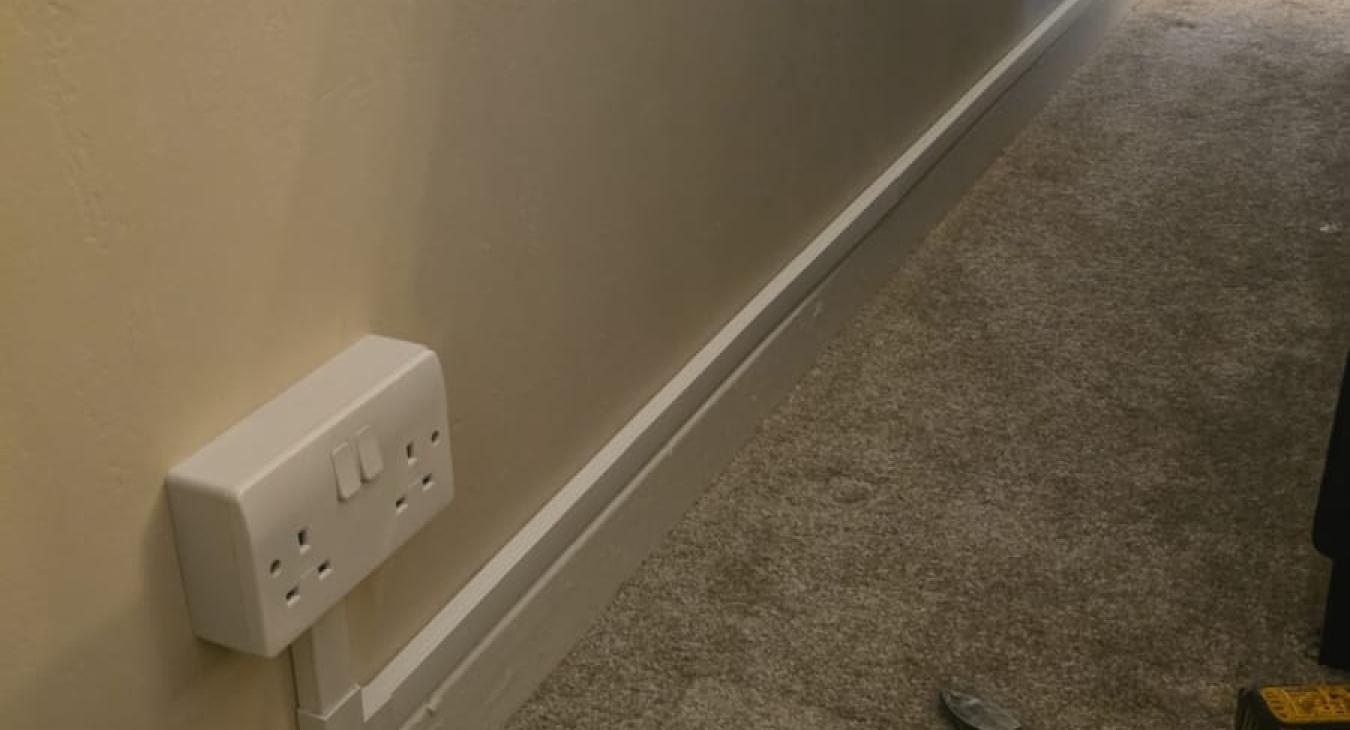
If your home relies heavily on extension leads, it may indicate a need for additional fixed sockets.
6. DIY Electrical Work
Poorly installed DIY electrics are a frequent cause of faults.
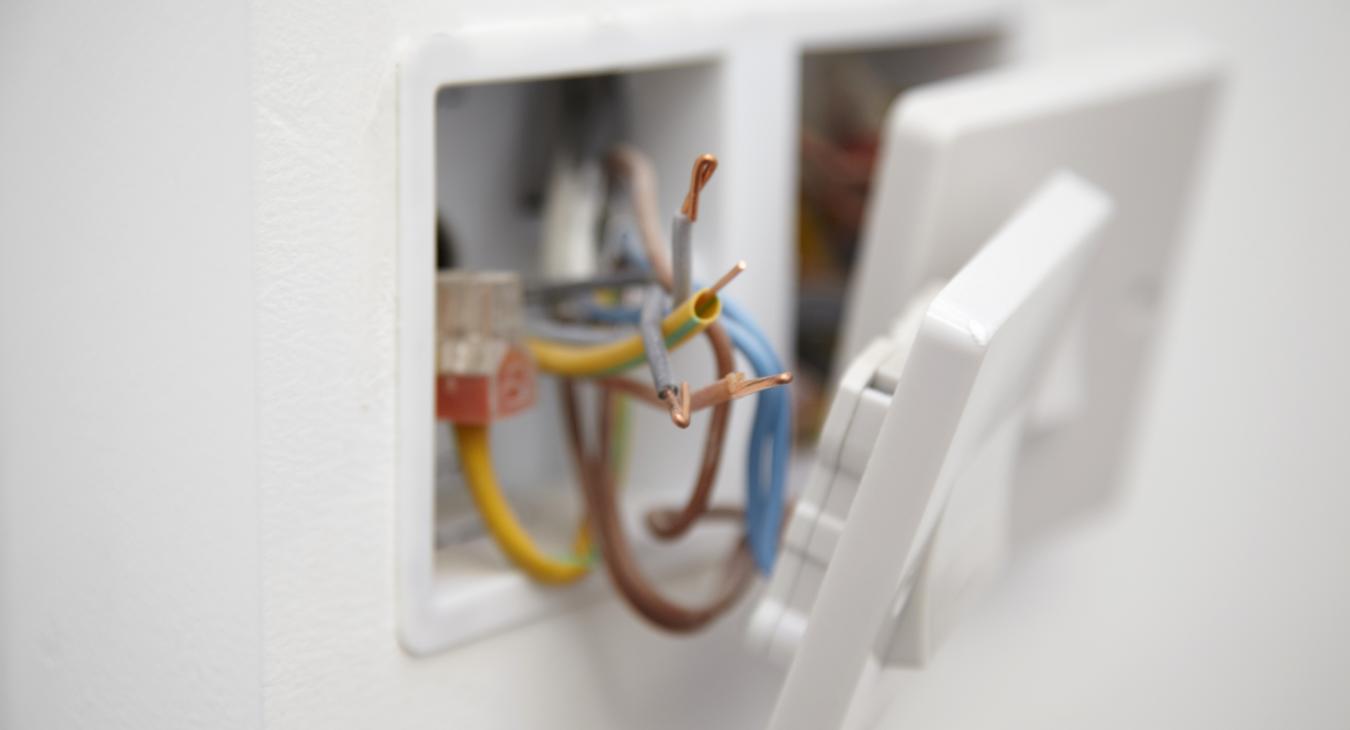
Electrical work must comply with UK safety regulations. Incorrect cable sizing, improper earthing, and loose terminations can create hidden risks behind walls.
If you are unsure about previous alterations, a professional inspection provides reassurance.
7. Faulty Appliances
Electrical fires are not always caused by wiring alone.
Appliances with damaged cables, internal faults, or overheating components can pose risks.
Never ignore:
Sparks
Burning smells
Frequent tripping when using a specific appliance
8. Outdoor Electrical Hazards
Water and electricity are a dangerous combination.
Outdoor risks include:
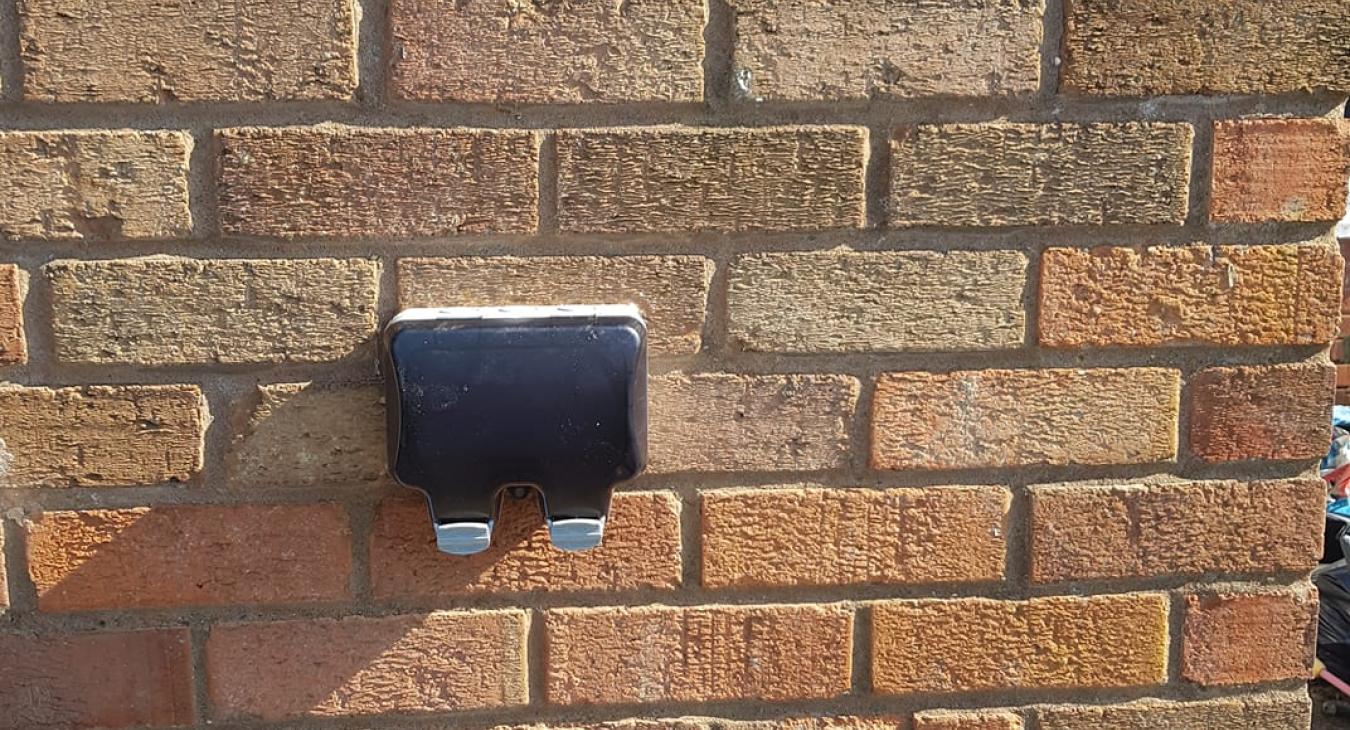
Damaged garden sockets
Poorly installed lighting
Extension leads used for sheds or hot tubs
Water ingress into fittings
Outdoor electrics must be correctly IP-rated and RCD protected.
How to Reduce Electrical Fire Risk
Homeowners can reduce risk by:
Testing RCDs regularly
Avoiding overloaded sockets
Not using extension leads permanently
Checking sockets for damage
Booking periodic electrical inspections
When Should You Have an Electrical Safety Check?
It is recommended that:
Homeowners have inspections every 10 years
Landlords have inspections every 5 years
Older properties are checked more frequently
If your property is over 25 years old and has not had a recent inspection, an electrical safety check can identify issues before they become serious.
Final Thoughts
Most electrical fire hazards develop gradually. The warning signs are often subtle and easy to ignore.
A proactive approach to electrical safety helps protect your property, your family, and your investment.
If you are unsure about the condition of your home’s electrics, seeking professional advice provides reassurance and ensures your system is compliant with current safety standards.