What Is PAT Testing?
PAT testing involves inspecting and testing portable electrical appliances to check they are safe to use.
This can include items such as:
- Kettles and microwaves
- Computers and monitors
- Extension leads
- Printers
- Power tools
- Vacuum cleaners
- Portable heaters
- Office equipment
The aim is to identify faults or damage that may not be obvious during normal day-to-day use.
Why Is PAT Testing Important?
Electrical appliances can deteriorate over time through:
- Wear and tear
- Damage to cables or plugs
- Loose connections
- Overheating
- Incorrect use
Faulty appliances can increase the risk of:
⚡ Electric shock
⚡ Electrical fires
⚡ Equipment failure
PAT testing helps identify these issues before they become dangerous.
Is PAT Testing a Legal Requirement?
There is no law stating appliances must be PAT tested every year specifically.
However, employers, landlords, and business owners do have a legal responsibility to ensure electrical equipment is maintained in a safe condition under regulations such as:
- The Electricity at Work Regulations 1989
- Health & Safety legislation
PAT testing is one of the most effective ways of demonstrating that electrical safety is being properly managed.
What Happens During PAT Testing?
PAT testing usually involves two stages:
1. Visual Inspection
Many faults can actually be identified visually, including:
- Damaged cables
- Cracked plugs
- Signs of overheating
- Incorrect fuses
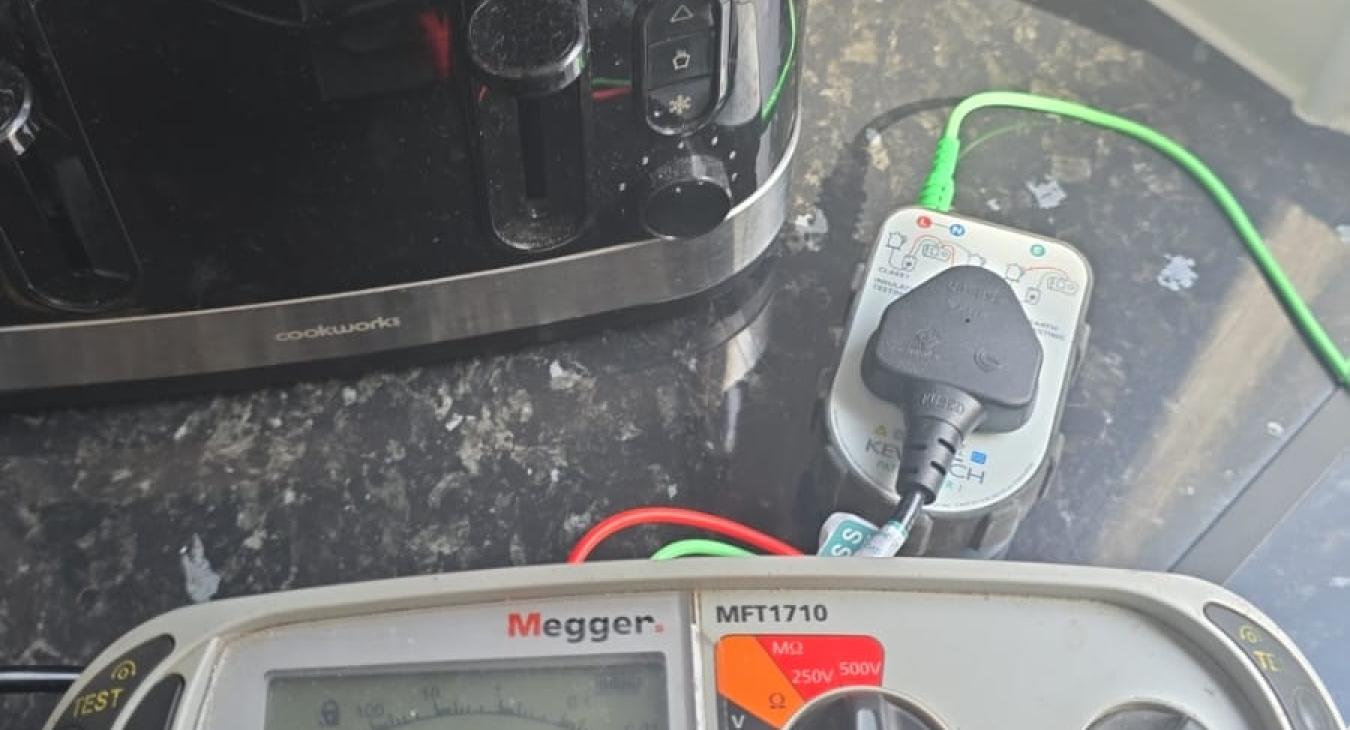
2. Electrical Testing
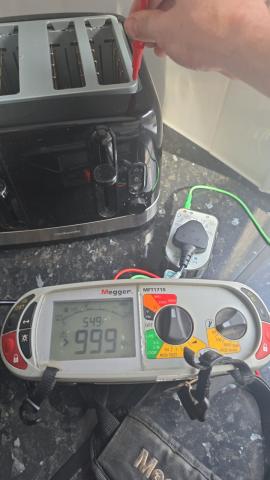
Specialist testing equipment is then used to check:
- Earth continuity
- Insulation resistance
- Polarity
- Overall appliance safety
Each appliance is then recorded as either passed or failed.
How Often Should PAT Testing Be Carried Out?
This depends on:
- The type of equipment
- How often it’s used
- The environment it’s used in
For example:
- Construction site equipment may require more frequent testing
- Office equipment may require less frequent inspection
The correct testing interval should always be based on risk and usage.
PAT Testing for Landlords
PAT testing can also be beneficial for landlords, especially in furnished rental properties where tenants use supplied appliances.
Regular checks help:
- Improve tenant safety
- Reduce risk of faults
- Demonstrate responsible property management
Common Problems Found During PAT Testing
Some of the most common issues identified include:
- Damaged extension leads
- Loose plug connections
- Incorrect fuse ratings
- Frayed cables
- Signs of overheating
Many of these problems develop gradually and may not be noticed until proper testing is carried out.
PAT Testing Across the West Midlands
We carry out PAT testing across the West Midlands for:
- Offices
- Shops
- Landlords
- Workshops
- Small businesses
- Commercial properties
Whether it’s a few appliances or larger numbers of items, we’re always happy to help.
Final Thoughts
PAT testing is a simple but effective way of improving electrical safety and identifying faults before they become serious problems.
Even appliances that appear perfectly fine on the surface can sometimes develop hidden issues over time, which is why regular inspection and testing are so important.
If you’d like advice about PAT testing or electrical safety, feel free to get in touch 👍